25 Memorable First Lines from Classic Novels by Women Authors
By Taylor Jasmine | On February 11, 2018 | Updated October 26, 2024 | Comments (3)
There are lots of wonderful novels that don’t grab you with the first sentence (or even the first paragraph or two), but when a book’s first line is great, that bodes well for the story ahead.
Here are some famously memorable first lines from 25 classic novels by women authors that have hooked generations of readers. What has been left out? Please comment at the end to share your favorites.
. . . . . . . . .
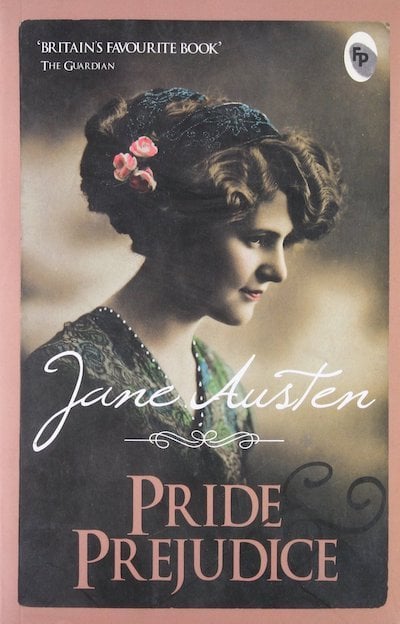
It is a truth universally acknowledged that a single man in possession of a good fortune must be in want of a wife. — Jane Austen, Pride and Prejudice (1813)
. . . . . . . . . .

You will rejoice to hear that no disaster has accompanied the commencement of an enterprise which you have regarded with such evil forebodings. — Mary Shelley, Frankenstein (1818)
. . . . . . . . . .

In the first place, Cranford is in possession of the Amazons; all the holders of houses, above a certain rent, are women. —Elizabeth Gaskell, Cranford (1853)
. . . . . . . . . .
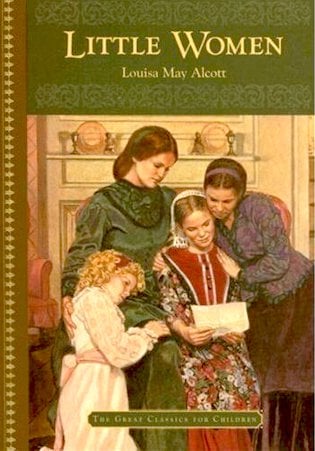
“Christmas won’t be Christmas without any presents,” grumbled Jo, lying on the rug. — Louisa May Alcott, Little Women (1868)
. . . . . . . . . .

Miss Brooke had that kind of beauty which seems to be thrown into relief by poor dress. — George Eliot, Middlemarch (1871)
. . . . . . . . . .
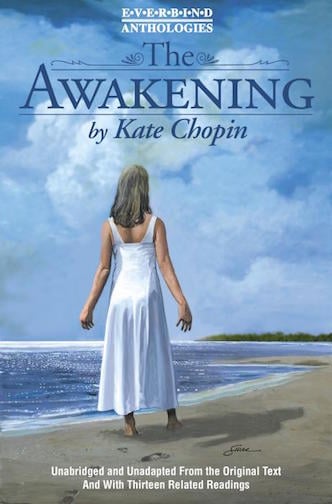
A green and yellow parrot, which hung in a cage outside the door, kept repeating over and over: “Allez-vous-en! Allez vous-en! Sapristi! That’s all right!”— Kate Chopin,The Awakening (1899)
. . . . . . . . . .

My name is Claudine, I live in Montigny; I was born there in 1884; I shall probably not die there.” (Colette, Claudine at School, 1900)
. . . . . . . . . .

Once on a dark winter’s day, when the yellow fog hung so thick and heavy in the streets of London that the lamps were lighted and the shop windows blazed with gas as they do at night, an odd-looking little girl sat in a cab with her father and was driven rather slowly through the big thoroughfares. — Francis Hodgson Burnett, A Little Princess (1905)
. . . . . . . . . .
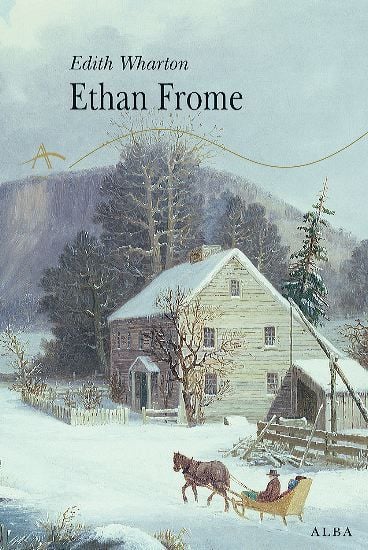
I had the story, bit by bit, from various people, and, as generally happens in such cases, each time it was a different story. — Edith Wharton, Ethan Frome (1911)
. . . . . . . . . .

When Mary Lennox was sent to Misselthwaite Manor to live with her uncle everybody said she was the most disagreeable-looking child ever seen.” — Francis Hodgson Burnett, The Secret Garden (1911)
. . . . . . . . . .
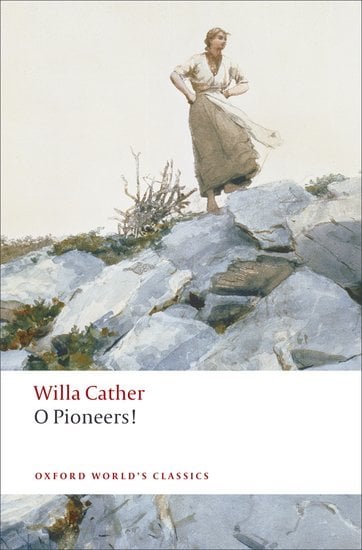
One January day, thirty years ago, the little town of Hanover, anchored on a windy Nebraska tableland, was trying not to be blown away. — Willa Cather, O Pioneers! (1913)
. . . . . . . . . .

Once an angry man dragged his father along the ground through his own orchard. — Gertrude Stein,The Making of Americans (1925)
. . . . . . . . . .
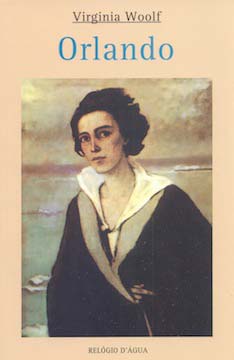
He—for there could be no doubt of his sex, though the fashion of the time did something to disguise it—was in the act of slicing at the head of a Moor which swung from the rafters. —Virginia Woolf, Orlando (1928)
. . . . . . . . . .
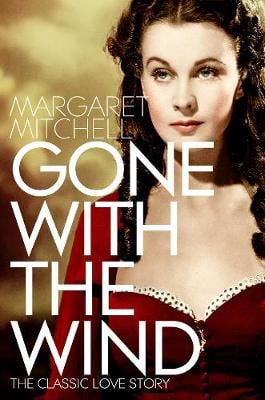
Scarlett O’Hara was not beautiful, but men seldom realized it when caught by her charms as the Tarelton twins were. — Margaret Mitchell, Gone With the Wind (1936)
. . . . . . . . . .
Ships at a distance have every man’s wish on board. — Zora Neale Hurston, Their Eyes Were Watching God (1937)
. . . . . . . . .

I had a farm in Africa, at the foot of the Ngong Hills. — Isak Dinesen, Out of Africa (1937)
. . . . . . . . . .
Last night I dreamt I went to Manderley again. — Daphne du Maurier, Rebecca (1938)
. . . . . . . . . .
In sleep she knew she was in her bed, but not the bed she had lain down in a few hours since, and the room was not the same but it was a room she had known somewhere. — Katherine Anne Porter, Pale Horse, Pale Rider (1939)
. . . . . . . . . .
In the town there were two mutes, and they were always together. — Carson McCullers, The Heart Is a Lonely Hunter (1940)
. . . . . . . . . .

I write this sitting in the kitchen sink. — Dodie Smith, I Capture the Castle (1948)
. . . . . . . . . .

What she liked was candy buttons, and books, and painted music (deep blue, or delicate silver) and the west sky, so altering, viewed from the steps of the back porch; and dandelions. — Gwendolyn Brooks, Maud Martha (1953)
. . . . . . . . . .

It was a queer sultry summer, the summer they electrocuted the Rosenbergs, and I didn’t know what I was doing in New York. — Sylvia Plath, The Bell Jar (1963)
. . . . . . . . . .

I’ll make my report as if I told a story, for I was taught as a child on my homeworld that Truth is a matter of the imagination. — Ursula K. Le Guin,The Left Hand of Darkness (1969)
. . . . . . . . . .

I lost an arm on my last trip home. — Octavia E. Butler, Kindred (1979)
. . . . . . . . . .

Dr. Weiss, at forty, knew that her life had been ruined by literature. — Anita Brookner, The Debut (1981)
One of my favourite openings is “124 spiteful”. The opening sentence of Beloved by Toni Morrison.
This was absolutely wonderful to read..just what I needed today to take me away from the horrors of Ukraine and lovely memories of the many hours spent reading some of these books.
“It was Charles who called us the parasites”. From Daphne du Maurier The Parasites. I think that is a great opening. I read the first page of a novel. If it doesn’t grab me, I throw it away.