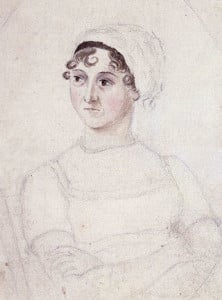
James Edward Austen-Leigh (1798 – 1874), a nephew of Jane Austen’s, first published A Memoir of Jane Austen in 1869. Its second edition in 1871 was much expanded to include more letters and biographical material.
At this point in time, Jane Austen’s reputation was waning somewhat, and this publication is credited for having helped to revive her reputation.
In the narrative, Austen-Leigh describes the difficulties experienced by Austen’s family to secure publication for her early works. Indeed, during Jane’s lifetime, her successes were solid yet modest, and much of her work was published under the generic nom de plume “A Lady.” Read More→
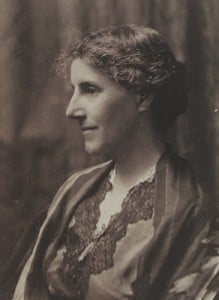
This article by Charlotte Perkins Gilman originally appeared in the October 1913 issue of The Forerunner. In it she answers the question posed by “many and many” a reader on why she wrote The Yellow Wallpaper. The 1892 long-form short story (or novella) became and remains a classic in feminist literature.
“Why I Wrote the Yellow Wallpaper” deals directly with the postpartum depression she suffered from, and her hopes that the story would enlighten other women who had similar experiences. Read More→
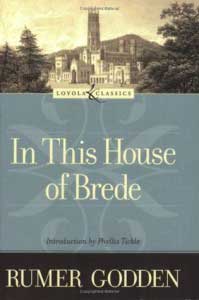
Rumer Godden was born in Sussex County, England, but spent the greater part of her childhood in India. The first of her books to be widely read in America was Black Narcissus (1939), her third novel. In This House of Brede , published three decades and many novels later, took her three years to write.
To facilitate and authenticate the gathering of her material, Miss Godden was allowed to live at the gates of a Benedictine monastery in England, and to have help and advice from the nuns.
Rumer Godden published many novels and several memoirs including such favorites as An Episode of Sparrows and The Greengage Summer, as well as short stories, poems, children’s books, and the autobiographical Two Under the Indian Sun and A House With Four Rooms. Read More→
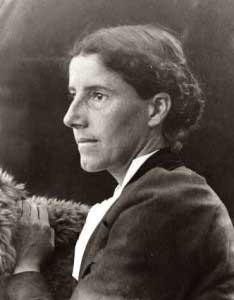
Charlotte Perkins Gilman (1860-1935) was a novelist, poet, and social theorist whose ideas were quite provocative during her heyday as a lecturer, in the late 1800s and early 1900s. Sample some of best-known feminist quotes by Charlotte Perkins Gilman, following.
Charlotte resisted the marriage proposal of Charles Stetson, sensing that he wasn’t right for her. As it turned out, she was right.
Within the first year of their 1884 wedding, she gave birth to a daughter and fell into a serious bout of postpartum depression. It didn’t help that the prevailing attitudes that women were frail creatures prone to irrational hysteria. Read More→
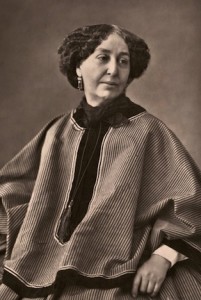
For French author George Sand (1804-1876), motherhood was often fraught with the kind of drama that colored many of her relationships prior to mellow older age. Her son Maurice was a major mama’s boy, causing petty jealousy for Sand’s most famed live-in lover, Frederic Chopin.
Could it have been from spite that he unconsciously (or not so unconsciously) fell in love with Sand’s daughter, Solange, when she was a pretty and flirtatious young lady of seventeen? Read More→
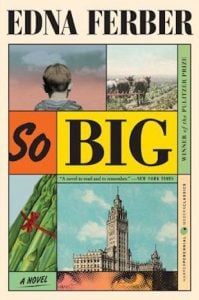
If ever an author failed to anticipate the public’s response to one of her own books, it was Edna Ferber when she was writing So Big. Fourteen years after the remarkable success of So Big by Edna Ferber, she confessed:
“I never dreamed that So Big would be popular. I wrote it against my judgment … I wrote my book because I wanted to write it more than anything else in the world … Not only did I not plan to write a best seller when I wrote So Big, I thought, when I had finished it, that I had written the world’s worst seller …” Read More→
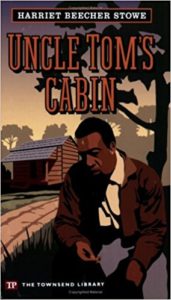
The first American book that claimed the distinction of “international best seller” was Uncle Tom’s Cabin by Harriet Beecher Stowe (1811 – 1896). Not only was she the first female author to achieve this milestone, but the first author ever. Here we’ll find out how she was inspired to write her most iconic work.
After the publication of Uncle Tom’s Cabin in 1852, no book sold faster right from the start. One and a half million copies were sold worldwide by the end of its first year in print, and in the entire nineteenth century, only the Bible sold more copies.
The book not only helped change the course of history, but changed the business of publishing as it was known. Read More→