Edna St. Vincent Millay (1892 – 1950) was an American poet and playwright considered a major figure in twentieth-century literature. Following is a selection of memorable quotes by Edna St. Vincent Millay, many brief and pointed, their simplicity belying the complexity of the poet herself.
Millay’s writing talents became widely recognized when she was 19 with the 1912 poem “Renascence.” In her lifetime, she became quite famous both for her talent and her unconventional lifestyle. It’s rare for a poet to attain superstar status, but that’s just what she did.
Throughout the 1920s — call them Roaring or the Jazz Age — she recited to enthusiastic, sold-out crowds during her many reading tours at home and abroad. Read More→
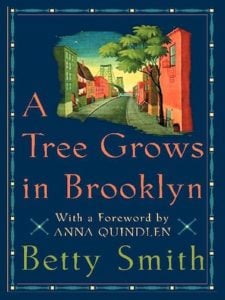
Betty Smith (1896 – 1972) is best known for her coming-of-age books, most notably, A Tree Grows in Brooklyn. This classic novel, beloved by readers for many generations, mirrored the author’s own impoverished childhood. The three other books by Betty Smith are well worth reading, and we’ll explore them here.
Smith was compelled to drop out of school at age fourteen to work, and help support her family. The challenges of tenement life as seen through the eyes of the novel’s heroine, Francie Nolan, as well as her early jobs, were inspired by Smith’s own experiences. Elements of her life as a young wife and mother came through in the character of Katie, Francie’s mother.
Read More→
Lillian Hellman, the legendary American playwright, was romantically involved with Dashiell Hammett for thirty years, though they never married. Hammett, a hard-drinking former detective, was best known for the classic detective novels, The Thin Man and The Maltese Falcon. Both writers were politically active, complex personalities.
Though there’s no doubt about the trajectory of their relationship, Hellman’s memories of how things were, like many of her other memoirs, have always been taken with a grain of salt. Read More→
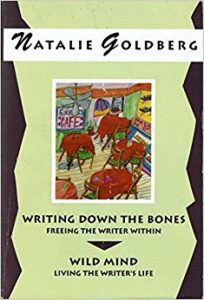
Here are 10 books on writing by women writers — informative, instructive, and inspiring. They’re not necessarily written by women for women — in other words, they’re for anyone needing a dose of inspiration and advice for their writing lives.
But, since these books are written from women’s perspectives, that ensures plenty of compassion, patience, and even humor. If you like this post, you may enjoy exploring our treasure trove of writing advice from classic women authors.
Read More→
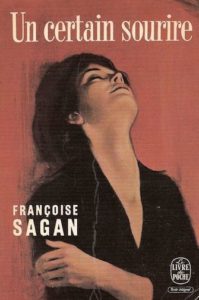
From the United Press review of A Certain Smile by Françoise Sagan (1956): A Certain Smile by Françoise Sagan (translated from the French, Un Certain Sourire) is that rare delight, a second novel that fulfills the promise of the author’s first.
Young as Miss Sagan is, her writing is imbued with a maturity so naturally presented as to seem not in the least surprising.
Here, as in Bonjour Tristesse, Miss Sagan’s heroine is a young girl acting out of purely selfish motives, and finds herself embroiled in something far beyond her capabilities. Read More→
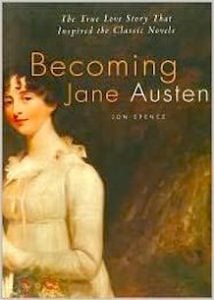
There are so many great biographies of women authors — what to choose depends on which classic authors you love and want to know about.
A great biography reveals much about the author’s inner life as well as their often tumultuous love life and public persona.
The roundup of biographies following is by no means definitive and nowhere near exhaustive — it’s simply a great place to start when you want to learn more about your favorite women writers of the recent and distant past. Read More→
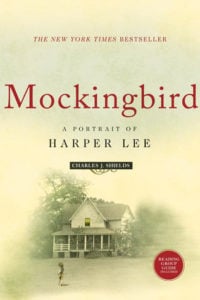
From the 2006 St. Martin’s Griffin edition of Mockingbird: A Portrait of Harper Lee by Charles J. Shields: To Kill a Mockingbird is the most widely read American novel ever.
Yet its creator, Harper Lee, has become a mysterious figure who routinely turns away reporters.
Mockingbird is a colorful portrait of this unconventional, high-spirited, and sometimes hardheaded woman who loved her Southern home and the craft of writing and who — from these undying affections — created a book whose power has never diminished. Read More→
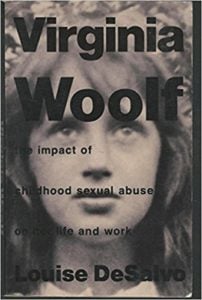
From the 1989 Beacon Press edition of Virginia Woolf: The Impact of Childhood Sexual Abuse on her Life and Work by Louise DeSalvo:
Although at her death Virginia Woolf left diaries, memoirs, letters, stories, notebooks, and drafts of novels as well as published work that documented the trauma she endured as a child, one of the most significant facts about Woolf’s childhood — that she was sexually abused — has been glossed over by her biographers.
Louise DeSalvo’s long-awaited book creates a portrait of Woolf that reveals the extent of her childhood abuse – what she endured, how she coped with it, reacted to it, understood it. Read More→