By Nava Atlas | On July 12, 2017 | Updated November 8, 2026 | Comments (0)
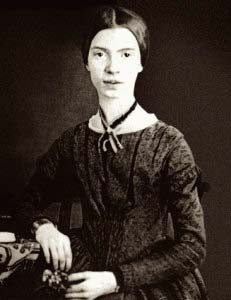
Emily Dickinson (December 10, 1830 – May 15, 1886) was a prolific American poet. Though she wrote more than a thousand poems (estimates range from 1,100 to 1,800), only a few were published during her lifetime. She is still something of a mystery, which fuels the continued fascination with her work and life.
“Tell all the truth but tell it slant —” is one of her famous lines, and the truths revealed in her poetic works are as individual as the person who reads them.
Dickinson grew up in Amherst, Massachusetts. She was born, lived, and died in the same house. While popular mythology has it that she rarely formed relationships with anyone outside her immediate family, this is not quite accurate. Read More→
By Emma Ward | On July 11, 2017 | Updated October 27, 2022 | Comments (0)
Doris Lessing (1919 – 2013) was born in Persia, raised in Rhodesia and spent many years in London. Her first novel, The Grass is Singing, was published in 1950 and had a literary breakthrough with The Golden Notebook (1962), now considered a feminist classic.
When she won the Nobel Prize for Literature in 2007 the jury described her as “that epicist of the female experience, who with skepticism, fire and visionary power has subjected a divided civilization to scrutiny.” In 2008 The Times put her at number five in the list of “The 50 Greatest British Writers since 1945.”
Doris Lessing long used her platform as an outspoken opponent of apartheid in South Africa, and spoke regularly about the subject. Her brilliance runs through all her work; here are some quotes from her various works to prove the point. Read More→
By Nava Atlas | On July 11, 2017 | Updated October 4, 2026 | Comments (0)
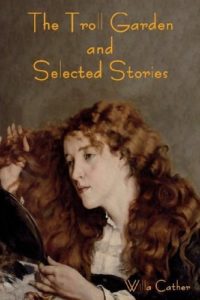
From the 1983 University of Nebraska edition of The Troll Garden by Willa Cather: Willa Cather’s first book of fiction, The Troll Garden (1905) is a collection of her earliest mature short stories. Well-crafted tales in their own right, they are important harbingers of her future novels and stories.
The precise language, profound psychological study, and finely honed plots that characterize her later work are prominent.
Some important themes are apparent here even more than in her later work: the conflict between East and West, art and the artistic temperament in America, the accommodations that the woman (or man) of sensibility must of does make with society and with idealism. The handling of these themes is as sophisticated and relevant today as ever. Read More→
By Susan Bailey | On July 10, 2017 | Updated July 22, 2026 | Comments (8)
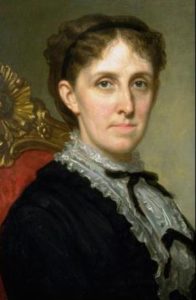
Susan Bailey of Louisa May Alcott is My Passion introduces Literary Ladies readers to May Alcott Nieriker, the youngest sister of Louisa May Alcott (“Amy” in Little Women, the autobiographical but idealized version of the Alcott family’s life).
An immensely talented visual artist, May’s education was made possible by Louisa’s literary success.
While researching May and Ernest’s home in Meudon, France (see previous post), I had a chance to read May’s thoughts in her letters home from Caroline Ticknor’s book, May Alcott: A Memoir. Read More→
By Nava Atlas | On July 8, 2017 | Updated August 23, 2025 | Comments (2)
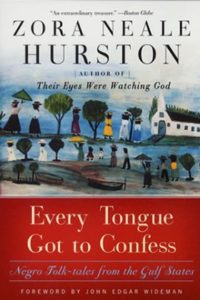
From the 2001 HarperCollins edition of Every Tongue Got to Confess: Negro Folk-Tales from the Gulf States by Zora Neale Hurston. African-American folklore was Zora Neale Hurston’s first love.
Collected in the late 1920s, Every Tongue Got to Confess is the third volume of folk-tales from the celebrated author of Their Eyes Were Watching God.
These hilarious, bittersweet, often saucy folk-tales — some of which date back to the Civil War — provide a fascinating, verdant slice of African-American Life in the rural South at the turn of the twentieth century. Read More→
By Emma Ward | On July 8, 2017 | Updated March 5, 2026 | Comments (2)
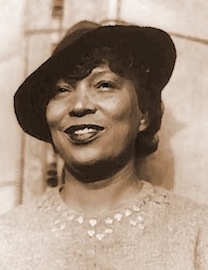
Zora Neale Hurston (1891 – 1960), the American novelist, essayist, anthropologist, and folklorist, was a well known figure in the Harlem Renaissance era. With much to say about life, love, and writing, we’ll explore some typically exuberant and wise Zora Neale Hurston quotes and life lessons.
In her fiction and nonfiction she spun out a plethora of inspiring, quotable text that belied the hardships she endured throughout the course of her career.
Her most influential work is Their Eyes Were Watching God (1937), though most all of her other works have been revived after having been virtually forgotten.
Read More→
By Susan Bailey | On July 7, 2017 | Updated November 6, 2022 | Comments (0)
It’s interesting to ponder which of Louisa May Alcott’s core beliefs most motivated her feminism, and why she was so effective in imparting it.
My conclusion? Louisa’s feminism was based on autonomy – the right of every woman to be autonomous, the freedom for each woman to realize her true potential as a whole person.
And even as I write this, I reflect back on Sarah Elbert’s essay on Moods where she incorporated Louisa’s transcendental upbringing into the mix. Read More→
By Nava Atlas | On July 6, 2017 | Updated July 20, 2024 | Comments (0)
Lots of us know that the film version of Gone with the Wind was based on the epic novel of the same title by Margaret Mitchell, and that To Kill a Mockingbird was a faithful rendition of Harper Lee’s classic.
Little Women has been the subject of a number of film versions, and most of us, at least us book nerds, know Louisa May Alcott by name quite well. And will there never be an end to filmed versions of the Brontë sisters’ novels, or those of Jane Austen?
There are many other classic films based on classic novels by women, whose titles are firmly planted in cultural history. But the connection to the authors who created them is often lost. See if you know who wrote the novels upon which these twelve classic films were based — you’ll find the answers at the very end. Read More→