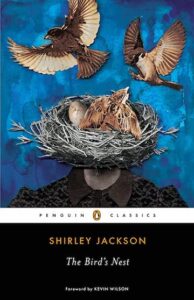
Of the six novel Shirley Jackson (1916 – 1965) completed in her lifetime, The Bird’s Nest (1954) is one of the lesser known and read, compared with the 1948 short story, “The Lottery,” or her late novels, The Haunting of Hill House (1959) and We Have Always Lived in the Castle (1962).
Yet like all of Jackson’s works, this one is deserving of reconsideration. Though just forty-eight when she died, she left behind a large body of fiction and nonfiction works that have influenced generations of writers who came after her.
Elizabeth Richmond, the novel’s main character, has multiple personality disorder. As her psyche splinters, she harbors Bess, Beth, and Betsy. You’ll find a thorough plot summary here. Read More→
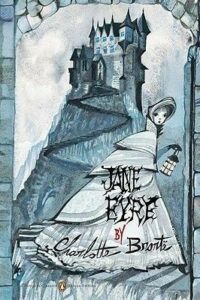
Charlotte Brontë’s novels reflected her deeply emotional approach to fiction writing. Coupled with her exquisite use of the English language, her brilliant novels — Jane Eyre, Shirley, and Villette — ensured her lasting stature in the world of literature.
This survey, which includes The Professor (her least-known, much-rejected work, written before Jane Eyre and published only after her death), includes links to analyses and plot summaries of these iconic works of literature.
- Jane Eyre, Charlotte’s best-known novel, is the story of the title heroine’s love for the inscrutable and reclusive Mr. Rochester and her quest for independence. Read More→
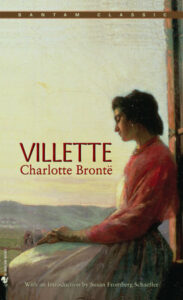
Presented here is a detailed analysis of Villette by Charlotte Brontë, the 1853 novel that, Jane Eyre notwithstanding, is considered her true masterpiece.
It also conveys the duress experienced by Charlotte, and the difficulties she had in writing Villette while grieving the deaths of her beloved sisters, Emily and Anne.
The following is excerpted from Life and Works of the Sisters Brontë (1899) by Mary A. Ward (sometimes writing as Mrs. Humphrey Ward), a 19th-century British novelist and literary critic. Read More→
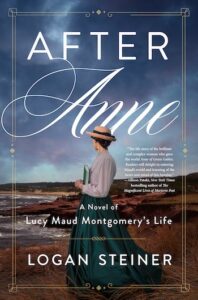
Logan Steiner’s debut novel, After Anne (May 2023) brings the untold story of Lucy Maud Montgomery (1874 – 1942) to life. It’s a vivid portrait of the Canadian author best known for Anne of Green Gables (1908) and its sequels.
After Anne is a fascinating look at Maud’s spirited personality, her hopes, and her dreams of being recognized for her writing. Yet it doesn’t shy from an honest portrayal of her sorrows and disappointments.
I learned fair amount about Maud Montgomery (perhaps better known by her author name, L.M. Montgomery) while preparing my own work, Literary Ladies Guide to the Writing Life. And so I was able to fully appreciate and truly enjoy how evocatively (and touchingly) Logan Steiner brought her to life in the pages of a novel. Read More→
Anne of the Island by L.M. Montgomery is the third installment of the beloved series that follows Anne Shirley from her orphaned childhood through her years as college student, teacher, wife, and mother.
Anne of Green Gables, the first of this series by the beloved Canadian author, was published in 1908, was quickly followed by Anne of Avonlea in 1909.
Readers must have been eagerly awaiting more of Anne’s adventures, as, with a gap of six years, Anne of the Island didn’t appear until 1915 (though she did play a small role in Chronicles of Avonlea, 1912). Read More→
The friendship and correspondence of George Sand (1804 – 1876) and Gustave Flaubert (1821 – 1880) form a fascinating and valuable chapter in literary history.
Their letters are vignettes of the tumultuous time of the 1848 revolution, the Franco-Prussian War, and the fall of the Paris Commune. They’re also discussions of the challenges of writing, the world of theater and politics, and the whims of family and friends.
In Flaubert-Sand, The Correspondence (1993), the late translators and researchers Francis Steegmuller and Barbara Bray opened this 19th-century world to readers. Presenting four hundred letters from earlier books, libraries, and private collections, this volume has extensive footnotes, excerpts from Sand’s diaries, and chronologies for context. Read More→
Scottish-born Dame Muriel Spark (1918 – 2006) was a prolific novelist, short story writer, poet, and biographer. The Prime of Miss Jean Brodie (1961) would become her best-known and most enduring work. Here are two opposing reviews of the novel from when it was first published.
The tale of a middle-aged Edinburgh schoolteacher was immortalized in the 1969 film starring a young Maggie Smith, now is considered a cinematic classic. It was also adapted as a Broadway play.
When the slim novel first came out, it received generally excellent reviews, but they weren’t universal, as you’ll see in the somewhat dour review that ran in the London Observer. Read More→
The Enchanted April, the 1922 novel by the elusive Elizabeth Von Arnim, has stood the test of time as a journey of friendship and self-discovery.
Certain stories possess an irresistible charm that beckons readers to embark on captivating journeys of the heart and mind. Elizabeth von Arnim’s 1922 novel, The Enchanted April is one such masterpiece, fueling the imagination and evoking a sense of wonder.
The Enchanted April is a lighthearted (yet not lightweight) tale of freedom to live an authentic life, and the transformative power of female friendship. This literary gem continues to engage readers even after a century, effortlessly weaving together picturesque landscapes, relatable characters, and heartfelt emotions. Read More→