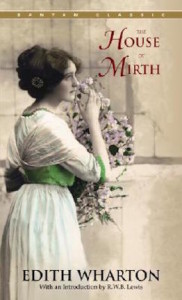
The House of Mirth was the first novel by Edith Wharton. Her first book of stories, The Greater Inclination, was published in 1899. Published in 1905, The House of Mirth is the story of Lily Bart, an ambitious woman of New York City’s high society at the turn of the twentieth century.
Lily Bart is well-bred but has no money, and at age twenty-nine, is closing in on permanent spinsterhood. In those times, that was nothing less than tragic. The story is of her downward spiral over the course of about two years.
Her troubling decline was seen as a commentary on a corrupt and heartless upper class. Read More→
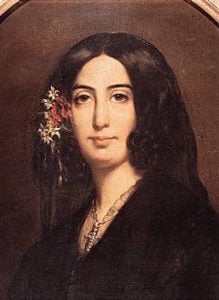
George Sand (Amantine-Lucile-Aurore Dupin; 1804-1876) the French novelist, memoirist, and essayist, was noted as much for her adventurous life and loves. Her writing life took her through great ups and downs, something familiar to those of us endeavor to live by the pen.
Her literary output was almost super-human, and encompassed more than seventy novels, countless essays and works of journalism, several plays, and a multi-volume autobiography. It’s hard to think of another author, past or present, who comes close to being as prolific, and she managed to live a life filled with love, family life, and not a little scandal.
Here is a selection of quotes by George Sand on the joys and agonies of the writing life, many from letters to her most loyal compatriot and correspondent, Gustave Flaubert. Read More→
Dear Literary Ladies,
Is there anything to be gained by reading reviews of one’s books? For most authors, it’s hard to ignore reviews; what with Google alerts, Amazon, and Goodreads; everything’s in your face 24/7. What was your experience with reviews, and did you learn anything of value from them?
Talk of reviews! I subscribed to a clipping bureau and they come in shoals every day. So far I have received sixty-six [reviews of Anne of Green Gables ] of which sixty were kind and flattering beyond my highest expectations; of the remaining six two were a mixture of praise and blame, two were contemptuous and positively harsh. Read More→
Dear Literary Ladies,
My desire to be a really good writer exceeds nearly all else. But like a lot of artists, I fear what I want most. It’s like I’m tripping over my own feet. I’m self-conscious and that “trying too hard” style shows up in my writing. How can I get out of my own way and find my unique voice?
The business of writing is a personal problem and must be worked out in an individual way. A great many people ambitious to write, fall by the wayside, but if they are the discourageable kind it is better that they drop out. No beginner knows what [she] has to go through with or [she] would never begin. Read More→
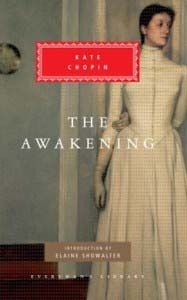
Kate Chopin is best known for her short novel The Awakening, published in 1899. One critic who admired the writing style but questioned the motives of the book was none other than Willa Cather.
Cather’s review of The Awakening was mixed, though she offered a thoughtful analysis and compares some aspects of the book to Gustave Flaubert’s Madame Bovary:
Many other critics weren’t as kind. Some reviled the book and it was widely banned for decades after its publication. The story’s main character, Edna Pontellier, craves a life and identity outside of society’s traditional roles as wife and mother. That made the slim novel quite controversial. Read More→
Dear Literary Ladies,
How does a writer develop plot, and more specifically, how do you develop scraps of ideas into plots?
When I start working on a book, which is usually several years and several books before I start to write it, I am somewhat like a French peasant cook. There are several pots on the back of the stove, and as I go by during the day’s work, I drop a carrot in one, and onion in another . . . When it comes time to prepare the meal, I take the pot which is nearly full and bring it to the front of the stove. Read More→
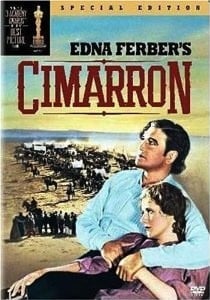
It’s truly remarkable how many film adaptations have been made from the works of classic women authors. This is just a sampling.
Make sure also to see the listing of movies about classic authors in Biographical Films Inspired by Women Authors’ Lives. The following is a selected list; make sure to let us know if we’ve left out anything important! Read More→
Dear Literary Ladies,
I would dearly love to call myself a professional writer, but I’m so easily distracted. After the kids go to school, it’s off to work, the gym, and endless errands. On weekends, I entertain family or visit with friends. In the midst of all this, I can’t seem to find time to write. How can I fit everything in?
To be a professional writer one must be prepared to give up almost everything except living. Amateur writers are not included in this rule (I loathe loud-talking amateurs of any walk of life). Read More→