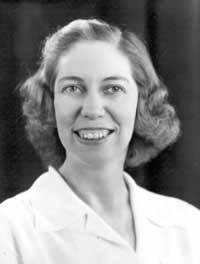
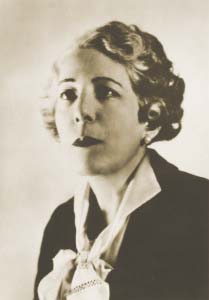
Eudora Welty (1909 – 2001), the respected Southern American author, was known for her ability to capture a sense of place in her novels, stories, and memoirs. Her work explores the separateness of individuals, the character of communities, family relationships, and the healing potential of love.
Welty’s writing style varied, but with no doubt ever that she was in command of her craft. Her stories and novels can be seen as quaint and understated or else wonderfully strange and funny.
Here are some inspiring thoughts on writing by Eudora Welty (most, fittingly, from her 2002 book On Writing), sure to encourage writers no matter where they are on their journeys. Read More→
Nella Larsen‘s 1929 novella Passing focuses on two middle-class Black women who reunite after a long break from their childhood friendship. Following are some insightful quotes from Passing by Nella Larsen, a classic novel of the Harlem Renaissance era.
Passing is the story of two friends, Irene and Clare, both of mixed race, and both who present a mostly white appearance.
But Clare has chosen to cross over the color line to live as white, even having married a white man who turns out to be a bigot. Irene “passes” when convenient, but lives in the Black community with her Black doctor husband and two sons. The women reunite after an absence of twelve years from their friendship, with dramatic consequences. Read More→
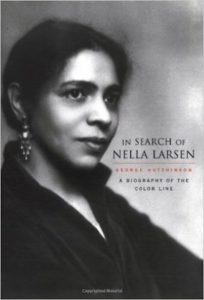
George Hutchinson’s biography, In Search of Nella Larsen: A Biography of the Color Line (2006) delves into Larsen’s experience as a mixed-race woman in a society obsessed with identity.
This factor weighed in on Larsen’s unique perspective on the world, showing up as themes in her two novels, Quicksand (1928) and Passing (1929).
Hutchinson pays homage to Nella Larsen‘s influence in the world of African-American art; namely the era of the Harlem Renaissance as she progressed as a writer despite the boundaries of race. Read More→
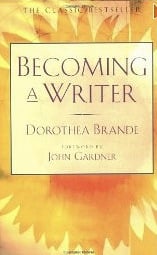
The Four Difficuties of Becoming A Writer is a segment excerpted from Becoming a Writer by Dorothea Brande (1934), proving that good writing advice is timeless.
Note from Literary Ladies: For the most part, Brande used the gendered pronoun he/him/his in the original essay unless specifically referring to a female, as was the style of the time.
Literary Ladies has changed those to female pronouns. Since the majority of our audience is female, it rings more relatable to the ear of our readers. I hope that Ms. Brande, may she rest in peace, will understand. And now, the excerpt by Dorothea Brande: Read More→
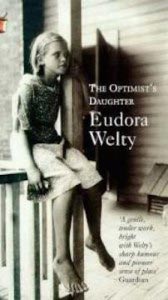
Description of The Optimist’s Daughter by Eudora Welty (1960) adapted from the 1972 Random House edition: Laurel Hand, long absent from the South, comes from Chicago to New Orleans, where her father dies after surgery.
With Fay, the stupid young wife of her father, Laurel returns to her former Mississippi home and stays a few days after the funeral for reunions with old friends. In a night alone in the house she grew up in, she confronts elements of the past and comes to a better understanding of it and of herself and her parents. Read More→
Dear Literary Ladies,
These days, publishers want to know how authors plan to find the audience for their book well before the final draft is submitted. It’s all about marketing and platform, which can be daunting and distracting.
Do you write for an audience or market as a work is in progress, or does that ultimately make for a less desirable outcome? Is it better to write to please yourself?
Those critics or well-wishers who think that I could have written better than I have are flattering me. Always I have written at the top of my bent at that particular time. It may be that this or that, written five years later or one year earlier, or under different circumstances, might have been better for it. Read More→
Gone With the Wind was published in 1936, at a time when the book industry, like all other businesses in the U.S., was still suffering from the results of the Depression. At least one person was concerned about the enterprise: Margaret Mitchell.
“I do hope they sell five thousand copies,” she remarked, “so they don’t lose money.” In one day GWTW sold 50,000 copies, and it was soon one of the fastest-selling books in the history of American publishing.
Published on June 30, 1936, GWTW had already been made a selection of Book of the Month Club, and advance sales were remarkable for a first novel by such an unknown author, particularly for a book of such length. Critics weren’t always as kind as the public. It’s fascinating to look back at how iconic books were reviewed in their own time. Read More→
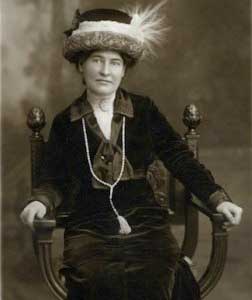
Willa Cather (1873-1947) was a craftswoman of the written word. Known for their stark beauty and spare language, her novels reflected her philosophy that writing is a craft to be honed and perfected. Cather’s considerable writing wisdom has been fully preserved.
She always had a great deal of wisdom to impart on the art of writing. Here’s a sampling, excerpted from several of the numerous interviews she granted (despite her professed disdain for the press and with fame in general) between 1915 and the mid-1920s. Read More→