5 Thriller-Crafting Lessons from Patricia Highsmith
By Loretta Bushell | On January 17, 2026 | Comments (0)
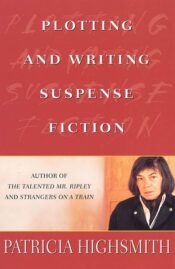
Did you know that Patricia Highsmith, who rose to fame with novels like Strangers on a Train (1950) and The Talented Mr. Ripley (1955), also wrote about writing? Plotting and Writing Suspense Fiction is a delightful cross between an instructional guide and a personal diary sharing her own processes, struggles, and triumphs.
Highsmith is considered one of America’s greatest writers of psychological thrillers. Her books are must-reads for anyone aspiring to write crime or suspense fiction. (Incidentally, The Price of Salt (later republished as Carol and adapted into the 2015 film), is a seminal work in LGBTQ+ literature.)
First published in 1983, Plotting and Writing Suspense Fiction, remained Highsmith’s only full-length nonfiction book. In it she shares much wisdom to offer those who aspire to write in this genre. Gathered here are five crucial takeaways for would-be thriller authors.
. . . . . . . . . . .

. . . . . . . . . . .
1. Make your anti-heroes fascinating
As writers, we’re often told that our protagonists must be likable, or else readers won’t care about the story. Highsmith, however, disagreed with that. She claimed that your main character doesn’t have to be likable, so long as they’re fascinating — for example, if they’re so compellingly evil that the reader can’t turn away.
Many of Highsmith’s protagonists are anti-heroes who manage to be both fascinating and likable. In The Talented Mr. Ripley, Tom Ripley is tasked with persuading a prodigal son to return home, but instead murders him and assumes his identity and wealth. Naturally, readers wouldn’t condone this behavior in real life — yet somehow, we’re invested in his fate.
We’re curious as to what he’ll do next and whether he’ll get away with his crimes. Plus, we actually kind of like him (if we overlook his unfortunate murder habit!). We appreciate his artistic and culinary tastes and his loyalty to his friends, plus we feel sorry for him because of his rotten upbringing. This ability to make us root for a cold-blooded killer is one of the reasons Highsmith is so well-acclaimed.
If you want to write your own anti-hero, you can ensure they’re sufficiently fascinating by giving them ordinary, relatable traits or interests. Above all, build a character who is realistically complex and not, as Highsmith put it, “monotonously brutal.” You want your reader to ask themselves, “How can someone who does such a normal thing as X also commit such a heinous crime as Y?”
. . . . . . . . . .
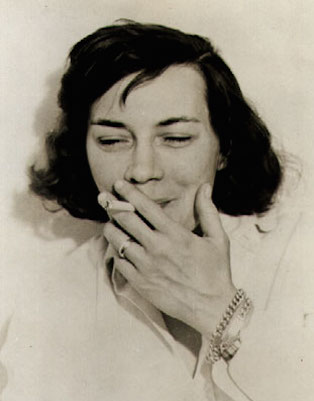
Learn more about Patricia Highsmith
Photo courtesy of Wikimedia Commons
. . . . . . . . . .
2. Beware of first-person POV
To showcase your protagonist’s complexity, you’ll probably want to let the reader in on their private thoughts and feelings. However, Highsmith advised against writing your thriller in the first person. This is a somewhat controversial tip and you’re welcome to ignore it — but hear her out before making your decision, so you can at least mitigate the risks she identified.
Highsmith’s objections to first-person POV stem from her personal impressions of “I”-sentences. When attempting on two separate occasions to write in the first person, all she could see in her head was the narrator sitting at a desk writing their story — an image she proclaimed to be “fatal” to the suspense genre. Indeed, knowing the narrator lives to write their tale makes the reader less fearful for the character.
Highsmith’s other impression of first-person narrators, particularly morally reprehensible ones, was that they come across as “nasty schemers.” The level of self-awareness required for proper introspection sounds ridiculous in the voice of someone whose actions can’t be justified by any sane reader. A third-person narrator, on the other hand, can relate subconscious thoughts and feelings and convey the same information in a less obnoxious or incredulous manner.
Thus, Highsmith recommended a third-person POV with one or two main viewpoint characters. I’ll leave it to you to decide whether to heed her advice.
. . . . . . . . . . .
. . . . . . . . . . .
3. Stretch the reader’s credulity — but don’t break it
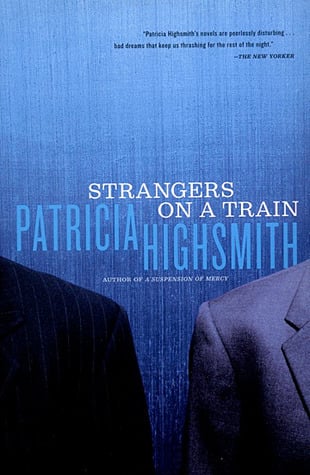
My favorite Highsmith novel, Strangers on a Train, jumps between two third-person POV characters. The first is Guy Haines, a perfectly ordinary architect whose unfaithful wife is refusing to cooperate with divorce proceedings. The second is Charles Bruno, a charming psychopath who resents his father.
The entire novel is based on a chance encounter on a train. The two men get talking and Bruno suggests they “trade” murders: he’ll murder Haines’s wife, and Haines can murder his father. Naturally, Haines doesn’t take the idea seriously, but Bruno actually does murder Haines’s wife, then blackmails Haines into upholding his end of the bargain.
Thus begins a downward spiral for Haines — but it all started with a coincidence. What were the chances that the two men would both be in the same train carriage that day? Surely very slim, and yet not inconceivably so.
This example epitomizes Highsmith’s next lesson. A big fan of coincidences that are almost (but not quite) incredible, she encouraged thriller writers to rely on the unexpected or unlikely — just as long as the events don’t contradict readers’ core understanding of the characters or world.
. . . . . . . . . . .

. . . . . . . . . . .
4. Keep your plot flexible to allow characters to behave naturally
Highsmith was an advocate for letting your plot surprise even yourself as it unfolds. A part-time pantser, she would plot the first third and the last quarter of the story in advance, but leave the middle foggy. She would work out what happened there as she got to it, taking her inspiration from the characters whom she would now know very intimately.
Indeed, there’s no use forcing your characters to adhere to your rigid outline if you realize that they have evolved and would not actually react to events that way. If the reader feels that your character’s actions are inconsistent with their personality, it may pull them out of the story and weaken your novel’s impact.
Instead, get to know your characters inside out. It’s always a good idea to fill out something like a character questionnaire — although many of the topics will never come up in your story, it’s worth considering your characters’ answers in order to practice thinking like they do.
If you spend enough time in your characters’ shoes, you might even feel that they are taking charge of your novel. With regard to The Talented Mr. Ripley, Highsmith once noted: “I often had the feeling Ripley was writing it and I was merely typing.”
. . . . . . . . . . .
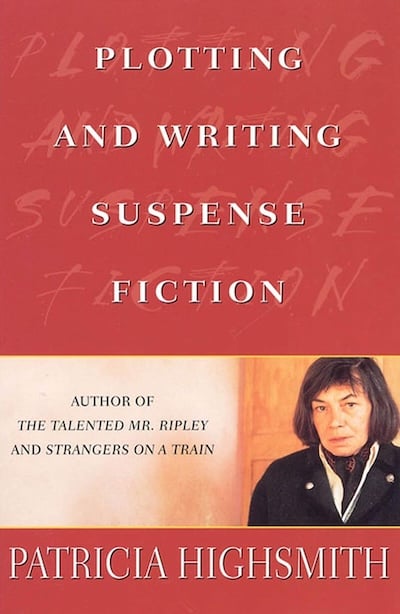
Plotting and Writing Suspense Fiction on Bookshop.org*
. . . . . . . . . . .
5. Fiction allows for justice to come in shades of gray
If you’ve read many of Highsmith’s works, you’ll know that evildoers do not always get their comeuppance. Spoiler alert: Mr. Ripley gets away with murder time and again throughout the five novels that make up “the Ripliad.”
Highsmith never cared that agents, editors, and readers typically preferred a more conclusive or “happy” resolution: “I find the public passion for justice quite boring and artificial, for neither life nor nature cares if justice is ever done or not.” She’s right; case in point, almost half of US murder cases go unsolved.
Highsmith wasn’t saying that justice shouldn’t be served in thrillers — only that it doesn’t always have to be. The ending should be whatever genuinely fits your story. Some characters are more likely to escape justice and others are more likely to get caught, just as in real life.
That concludes Patricia Highsmith’s top tips for a killer thriller. As you start or continue working on your own novel, keep this final Highsmith quote in mind: “The first person you should think of pleasing, in writing a book, is yourself.” In other words: enjoy the process!
Loretta Bushell writes for Reedsy, a marketplace that connects authors with resources and professionals to help them publish their dream book. Loretta is also a part-time translator, Irish dancer, and board games enthusiast.
. . . . . . . . . .
*This is a Bookshop.org affiliate link. If a product is purchased after linking through, Literary Ladies Guide receives a modest commission, which helps us grow.
Leave a Reply