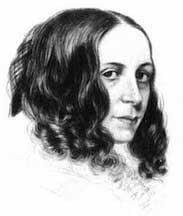
Elizabeth Barrett Browning (March 6, 1806 – June 29, 1861), the accomplished British poet, was born in County Durham, England. She grew up in an atmosphere of privilege as the eldest daughter of Edward Moulton.
Her father changed the family name to Barrett when he inherited vast businesses, including a West Indies plantations, along with mills, and ships. Edward Barrett was a slave holder.
The eldest of twelve children, Elizabeth was schooled at the family home in Herefordshire, England. She showed much early aptitude for her future calling — she began reading novels at age six, and her first significant poem was written at about age seven. Read More→
I always return to Green Gables when the summer leaves have broken out of their cocoons; when warm evening breezes stir the wildflowers along the roadside; when long purple sunsets sweep through the sky.
I could never go there in winter’s dark days. Like summer’s lush and golden afternoons, Anne of Green Gables by L.M. Montgomery breathes light and freedom, warmth and adventure, wrapped in the exquisite detail of the simple beauty of Prince Edward Island.
Looking out across Green Gables’ fields on a June morning, Anne is brought to her knees by the sheer beauty of her surroundings, her “beauty-loving eyes” lingering on the scene before her, “taking it greedily in.” Read More→
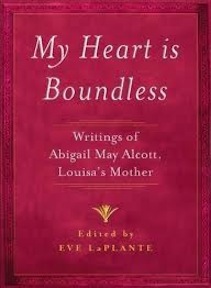
A musing on the timeless emotions of motherhood through the lens of Abigail May Alcott, the mother of Louisa May Alcott and her sisters. This essay was contributed by Susan Bailey, creator of the blog Louisa May Alcott is My Passion.
We just dropped off our twenty-seven year-old son at the bus station as he makes his way back to New York after a week at our home.
He was granted an unexpected vacation from his job as a preschool teacher and was longing for some peace and quiet, away from small children, the noisy city and his very busy life. Read More→
I was eleven. My sixth-grade class was participating in a reading challenge, recording all of the books we read on a giant chart so that we could see how many we finished by the end of the year.
For some reason, I took the challenge quite literally and really strove to challenge myself. I still don’t know why I got it into my head to find the biggest, thickest books on the school bookshelf with the biggest, longest words.
It’s not like I still didn’t enjoy the Babysitters Club series or Ella Enchanted. But while I don’t remember the inspiration that drove me to read Great Expectations by Charles Dickens, or The Story of Dr. Doolittle by Hugh Lofting, or Wuthering Heights, by Emily Brontë, I did. Read More→
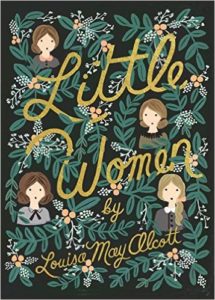
I have always loved Little Women by Louisa May Alcott. There is no need for me to explain what it is about the writing and the characters that are so powerful and endearing, for I know that many, many readers have experienced it too. We laugh at Jo’s antics, and feel Teddy’s heartbreak, and weep when Beth takes her last breath.
But with my most recent re-read of this classic, published in 1868 and beloved for generations, the book tugged at me a little bit more, pulled me in a little bit deeper, and spoke to me in a way it never had before. I can’t put my finger on why that is. Read More→
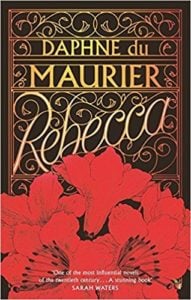
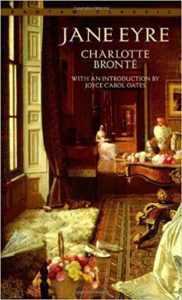
Contributed by Jonathan Yardley, the longtime Washington Post book critic emeritus, this analysis of Rebecca by Daphne du Maurier explores how it may have been influenced or inspired by Jane Eyre. Almost from its inception in 18th-century England, Charlotte Brontë‘s gothic novel has been adored by readers; critics, not so much.
For the fastidious ladies and gentlemen of the quarterly reviews and academe, its central conventions — nature red in tooth and claw; haunted castles atop windswept moors; defenseless young women at the mercy of strange, obsessed men with terrible secrets; bondage, imprisonment, sexual torment and ambiguity, raging fires — are simply too too. Read More→
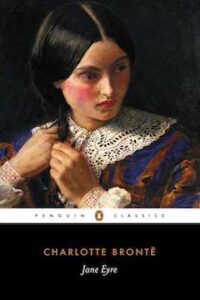
If you’re obscure, plain, poor, and little, life may not be smooth and easy for you … but, in the end, you’ll meet your hero— your Mr. Rochester and reap your reward. Read on for professor Maria Grazia’s perspective on teaching Jane Eyre by Charlotte Brontë.
You may have to bite wicked older cousins who want to torture you, defend yourself from a jealous aunt who wishes you were dead.
You may have to survive long solitary hours locked in a scary red room, then to strive to keep yourself sane and alive in a bleak, heartless place like a school for poor girls, you must accept to go on living without anybody caring for you or loving you. Read More→
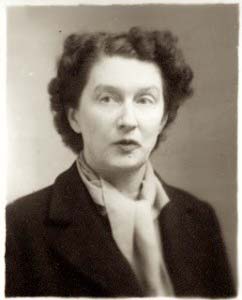
Christina Stead (July 17, 1902 – March 31, 1983) was an Australian-born novelist, short story writer, and Journalist born into a Socialist family.
Her masterful writing went unrecognized for much of her life. Her most notable work is The Man Who Loved Children.
Read More→