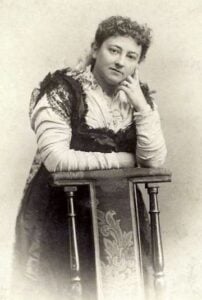
Olive Schreiner (1855 – 1920) was a South African writer and activist best known for her debut novel, The Story of an African Farm, first published in 1883 under the pseudonym Ralph Iron. It was republished in 1891 under her real name.
Today, Schreiner’s work is still widely studied, and she’s considered a pioneering anti-colonial feminist voice. She also wrote many articles, essays, and letters.
The following is a guide to Olive Schreiner’s books is for readers who would like a broader scope of her writing. Read More→
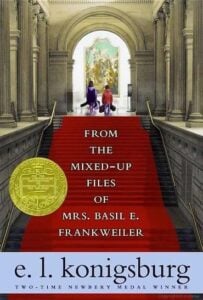
E.L. Konigsburg summed up her stories as being about the “everyday, corn-flakes, worn-out-sneakers way of life” when she won the Newbery Award for her children’s novel From the Mixed-Up Files of Mrs. Basil E. Frankweiler in 1968.
This prize-winning novel was a favorite of mine from the first reading—the first sentence, even — because it begins with Claudia’s failure.
She knows she’s never going to be able to run away in “the old-fashioned way”— in the “heat of anger with a knapsack on her back.” She reflects on her situation and makes a plan: she learns to rise to meet challenges in her own way. Read More→
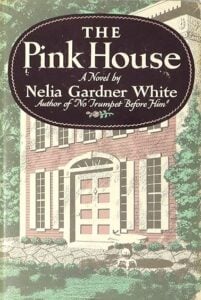
The Pink House by Nelia Gardner White is a 1950 novel that has the feel of a timeless classic. Yet like the rest of Gardner’s large body of work, it fell out of print and remained obscure and hard to find.
That is, until recently, when Independent press Quite Literally Books reissued it in a handsome new edition in 2025.
It’s surprising that a writer of her caliber would be so thoroughly forgotten. Her books were well reviewed and sold well. She was even a pioneer in the realm of what we now call biofiction: Daughter of Time (1942) is a novelization of the tragically brief and brilliant life of short story master Katherine Mansfield. It was warmly reviewed in the New York Times. Read More→
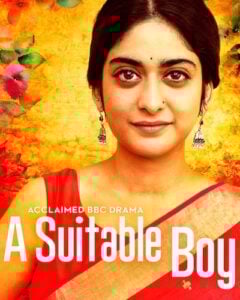
In celebrating the success of Zohran Mamdani, the youthful maverick who took the office of New York City mayor in 2025, we might give credit where due to his mother, Mira Nair. She has been successful and influential in her own right as a filmmaker and director.
Zohran Mamdani’s meteoric political rise has created huge interest worldwide. Consideration of his origins might bring to mind the old adage, “the hand that rocks the cradle rules the world” — a reminder of the influence that mothers have on a society’s direction. Read More→
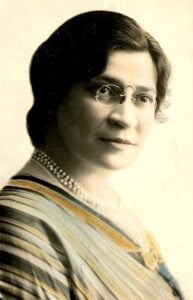
Miriam Karpilove (1888 – 1956) was a Belarus-born immigrant writer of fiction in the Yiddish language, best known for Diary of a Lonely Girl (1918).
Photo at right: Miriam Karpilove, from the collection of David Karpilow.
Karpilove became well known for her serialized novels in the American Yiddish press, focusing on the lives of young Jewish women and exploring contemporary issues of gender roles, sexual mores, immigration, and cultural dislocation. Read More→
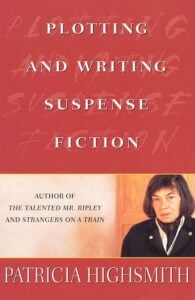
Did you know that Patricia Highsmith, who rose to fame with novels like Strangers on a Train (1950) and The Talented Mr. Ripley (1955), also wrote about writing? Plotting and Writing Suspense Fiction is a delightful cross between an instructional guide and a personal diary sharing her own processes, struggles, and triumphs.
Highsmith is considered one of America’s greatest writers of psychological thrillers. Her books are must-reads for anyone aspiring to write crime or suspense fiction. (Incidentally, The Price of Salt (later republished as Carol and adapted into the 2015 film), is a seminal work in LGBTQ+ literature.) Read More→
Founded in 2022, Quite Literally Books is a woman-owned indie publisher with a mission of creating new editions of forgotten or neglected classics by American women authors.
Bremond Berry MacDougall and Lisa Endo Cooper, the two women behind Quite Literally Books, are longtime BFFs who have been bonding over their love of reading since they were twelve.
Learn more about Quite Literally Books on their website and Substack. Read More→
Mary Hays (1759–1843) was an English writer whose main work was the six-volume compendium Female Biography; or, Memoirs of Illustrious and Celebrated Women of All Ages and Countries, featuring the biographies of 300 notable women (in 294 entries) from ancient figures to nearly contemporaries.
Originally published in England in 1803, it was published in the United States four years later. Hays was also a poet and novelist.
Mary Hays was born into a family of Protestant dissidents who rejected the practices of the Church of England, the established church at the time. Read More→