Virginia Woolf’s Analysis of Jane Eyre and Wuthering Heights
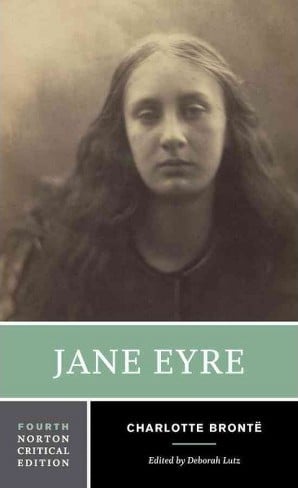
Before she became known for her own novels, Virginia Woolf was a literary critic. It’s fascinating to read her analysis of Jane Eyre and Wuthering Heights, the enduring novels of Charlotte and Emily Brontë.
This dual analysis of Charlotte and Emily’s masterpieces was first published in part in The Times Literary Supplement on April 13, 1916, around the time of Charlotte’s centenary, then appeared again in 1917 and 1922.
The following essay by Virginia Woolf is in the public domain. The text is intact, though Woolf’s long paragraphs are broken up for improved readability, and headings have been added for the same purpose.
Jane Eyre and Wuthering Heights (an analysis by Virginia Woolf)
Of the hundred years that have passed since Charlotte Brontë was born, she, the centre now of so much legend, devotion, and literature, lived but thirty-nine. It is strange to reflect how different those legends might have been had her life reached the ordinary human span.
She might have become, like some of her famous contemporaries, a figure familiarly met with in London and elsewhere, the subject of pictures and anecdotes innumerable, the writer of many novels, of memoirs possibly, removed from us well within the memory of the middle-aged in all the splendour of established fame.
She might have been wealthy, she might have been prosperous. But it is not so. When we think of her we have to imagine some one who had no lot in our modern world; we have to cast our minds back to the ‘fifties of the last century, Read More→
